Leave one easy-to-find care sheet, walk through it together, and agree on an emergency plan before you go. A simple note works; a printable planner is optional.
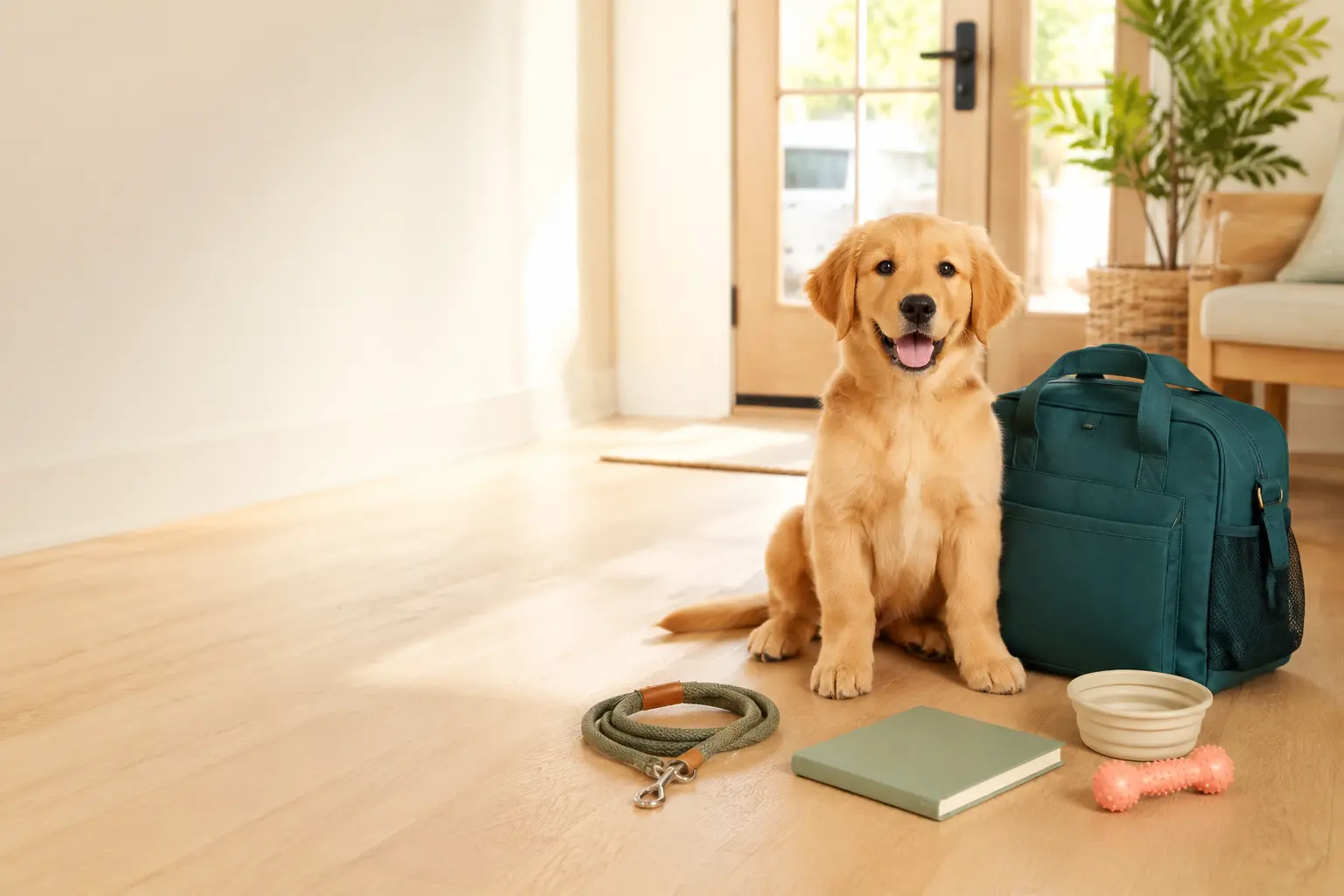
1–3. Make the everyday details specific
1. Food and water
Write the food name, amount per meal, meal times and where supplies are kept. Explain which treats are allowed and any restrictions. Avoid phrases such as “a normal scoop” unless you leave the actual scoop and show the amount.
2. Medication instructions
If your dog takes medication, leave the original labeled packaging and the veterinarian’s written instructions. Include the prescribed dose, timing and administration method. Ask your veterinary team what the sitter should do about a missed dose or a problem giving it; do not ask the sitter to improvise.
3. A normal day
Describe the usual bathroom breaks, walks, rest and bedtime setup. Include practical details: the door your dog uses, where they sleep and what signals mean they need to go out. Make clear which parts are important and which can be flexible.
4–5. Agree on the emergency plan
4. Veterinary contacts
List your regular veterinarian and a suitable emergency clinic with phone numbers and addresses. Check opening hours before leaving. A clinic name without a location is not much help when someone is worried.
5. Emergency authorization
Decide who can authorize veterinary care if you cannot be reached, and arrange payment and consent with the veterinary practice in advance. Ask the clinic or sitter for their own authorization form. A note in a planner is useful organization, but it does not replace a clinic’s required paperwork.
Source: AVMA: ensuring your pet is protected when you are away.
6–8. Explain equipment, boundaries and contacts
6. Walking equipment
Show how the collar or harness fits, which clip the leash attaches to and which route you normally take. Do a short practice walk together when possible. Include your muddy-paw routine so coming home is straightforward too.
7. Triggers and special needs
Be honest about things your dog finds difficult: doorbells, other dogs, handling or being left alone. Write what helps and what to avoid. This is not the moment to downplay a bite history, escape risk or handling concern.
8. Owner and backup contacts
Leave your number, a trusted local backup and the dates you will be away. Explain whether you may be offline or in another time zone. Agree on a reasonable check-in plan, such as a brief message after the evening walk.
Make instructions easy to act on
“Use the green harness hanging by the door. Towels are in the basket beside the mat. After the walk, send a short update. If I do not answer, call the backup contact listed at the top of the care sheet.”
Put the urgent contacts at the top, routine details underneath and longer background notes last. Keep a paper copy in a visible place and send the sitter the same version digitally. If you update something, replace both copies.
Use the handoff itself as a check: can the sitter find supplies, explain the meal instructions back to you and locate the emergency contact without searching through old messages?
Keep the handoff together
If you already have a clear care sheet, keep using it. If instructions and records are scattered between your phone, kitchen drawer and email, a printable organizer can give them one home.
Before you leave: check the date on the care sheet and give your sitter time to ask questions. Organization is helpful; a shared understanding is the real goal.